
Culinary & Hospitality✓ Verified source
“I am so fond of tea that I could write a whole dissertation on its virtues. It comforts and enlivens without the risks attendant on spirituous liquors. Gentle herb! Let the florid grape yield to thee. Thy soft influence is a more safe inspirer of social joy.
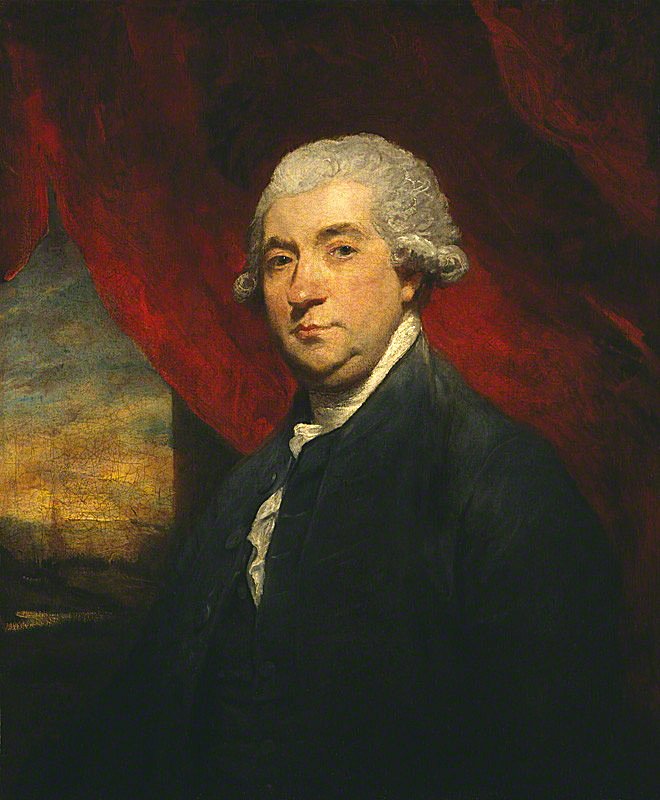
— James Boswell
Biographer and diarist
James Boswell, Boswell's London Journal, 1762–1763. James Boswell, Frederick Albert Pottle. Yale University Press, 2004. , page 189.
About this quote
- Attributed to
- James Boswell
- Source
- James Boswell, Boswell's London Journal, 1762–1763. James Boswell, Frederick Albert Pottle. Yale University Press, 2004. , page 189.
- Attribution status
- ✓ Verified source
- Verification
- Primary reference
Photo: Hans Hillewaert · CC BY-SA 3.0 · source · Portrait: Joshua Reynolds (1723–1792) (Public domain)
Reflect
Where in your life does this apply today?
The Sage Challenge
Choose one small action that honours this idea and do it before noon.
Join to journal, save & shareCreate a share imageWatch & listen
Anthony Bourdain travels to Scotland (Parts Unknown)
CNN·Travel
"My CHILDHOOD PAIN Made Me The World's GREATEST CHEF" | Gordon Ramsay
Goalcast·Culinary
Be Fearless: Jose Andres and World Central Kitchen
casefoundation·Culinary
More from James Boswell & related wisdom


Culinary✓ Verified source
“There are people in the world so hungry that God cannot appear to them except in the form of bread.

— Mahatma Gandhi
Mahatma Gandhi, in The Spirituality of Bread p. 26

Culinary✓ Verified source
“There is no love sincerer than the love of food.

— George Bernard Shaw
George Bernard Shaw, Man and Superman (1903)

Culinary✓ Verified source
“Every man, black, white or yellow, has a mouth to be fed and two hands with which to feed it, and that bread should be allowed to go to that mouth without controversy.

— Abraham Lincoln
Abraham Lincoln, Speech at Hartford, Connecticut (5 March 1860), Evening Press.
Culinary✓ Verified source
“Tea is a work of art and needs a master hand to bring out its noblest qualities.

— Okakura Kakuzō
Kakuzō Okakura, The Book of Tea (1906), Ch. II.
